

Laser Therapy for Dogs After Surgery
Laser therapy is a gentle, non-invasive option that may help support comfort, circulation, and recovery in dogs after surgery. It is commonly used as part of a broader post-surgical care plan for swelling, stiffness, tenderness, and reduced mobility.
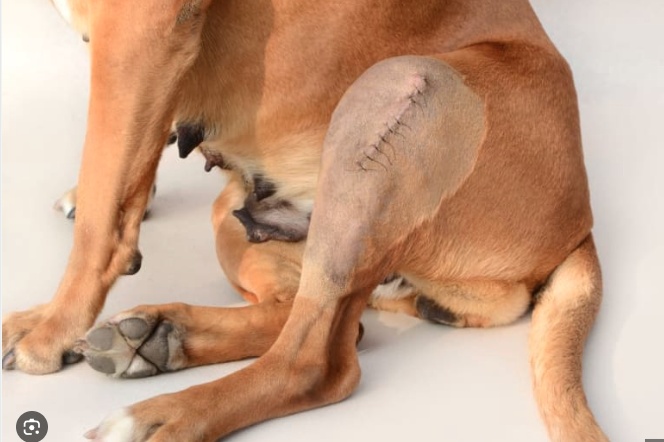
Why Dogs May Need Extra Support After Surgery
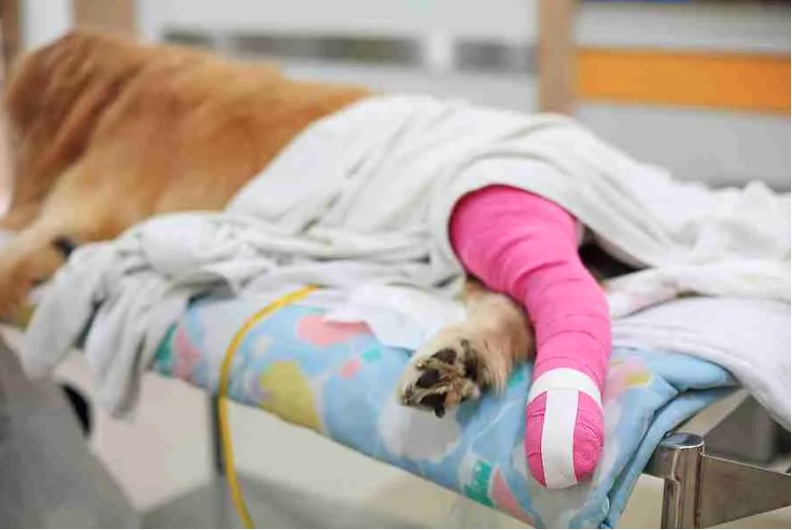
After surgery, many dogs experience temporary soreness, swelling, stiffness, tenderness, or reduced confidence when moving. This can happen after orthopedic procedures, soft tissue surgery, dental procedures, wound repair, or other veterinary treatment.
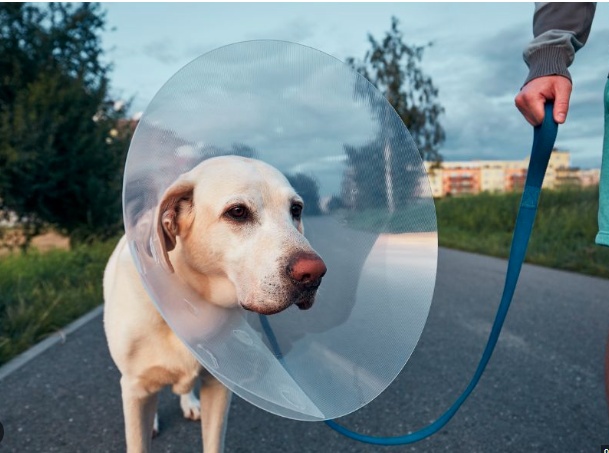
Recovery can be smoother when rest, medication, wound care, controlled movement, and supportive therapies are all used in the right way under veterinary guidance.
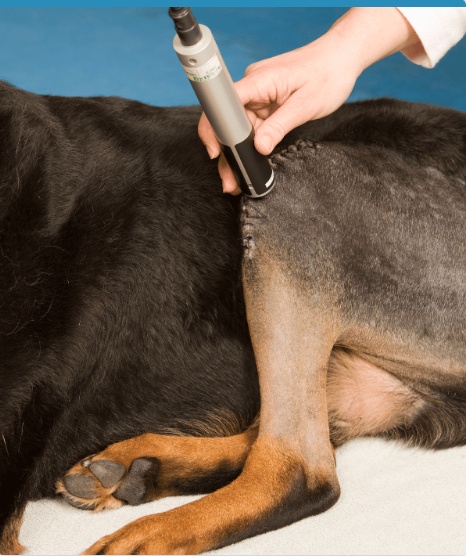
Common Recovery Challenges
- Soreness around the treated area
- Swelling or stiffness
- Reduced activity or movement confidence
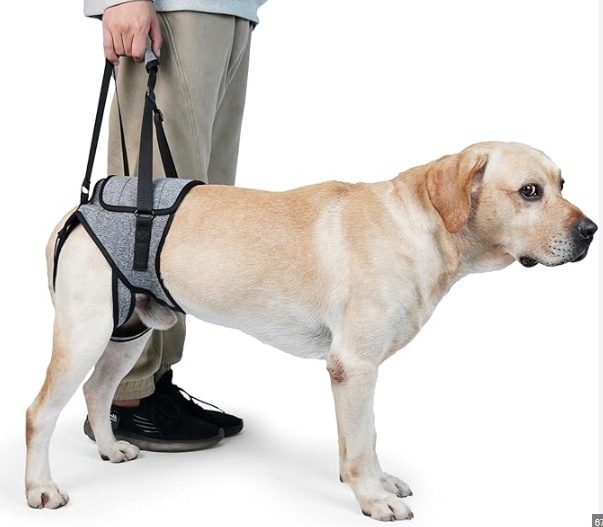
- Difficulty standing or walking normally
- Tension in nearby muscles
- Slower return to normal daily activity
Situations Where Support May Help
- Orthopedic procedures
- Joint surgery recovery
- Soft tissue procedures
- Muscle or tendon repair
- Wound-related recovery
- Senior dogs needing extra comfort support

How Laser Therapy Works After Surgery
Laser therapy delivers therapeutic light to the target area or surrounding tissues. It is commonly used in rehabilitation and supportive care to help encourage circulation and a healthy tissue response in the treated area.
- Targets the recovery area and nearby tissues
- Often used to support comfort and flexibility
- May help support a more comfortable healing routine
- Can fit into a veterinarian-guided recovery plan
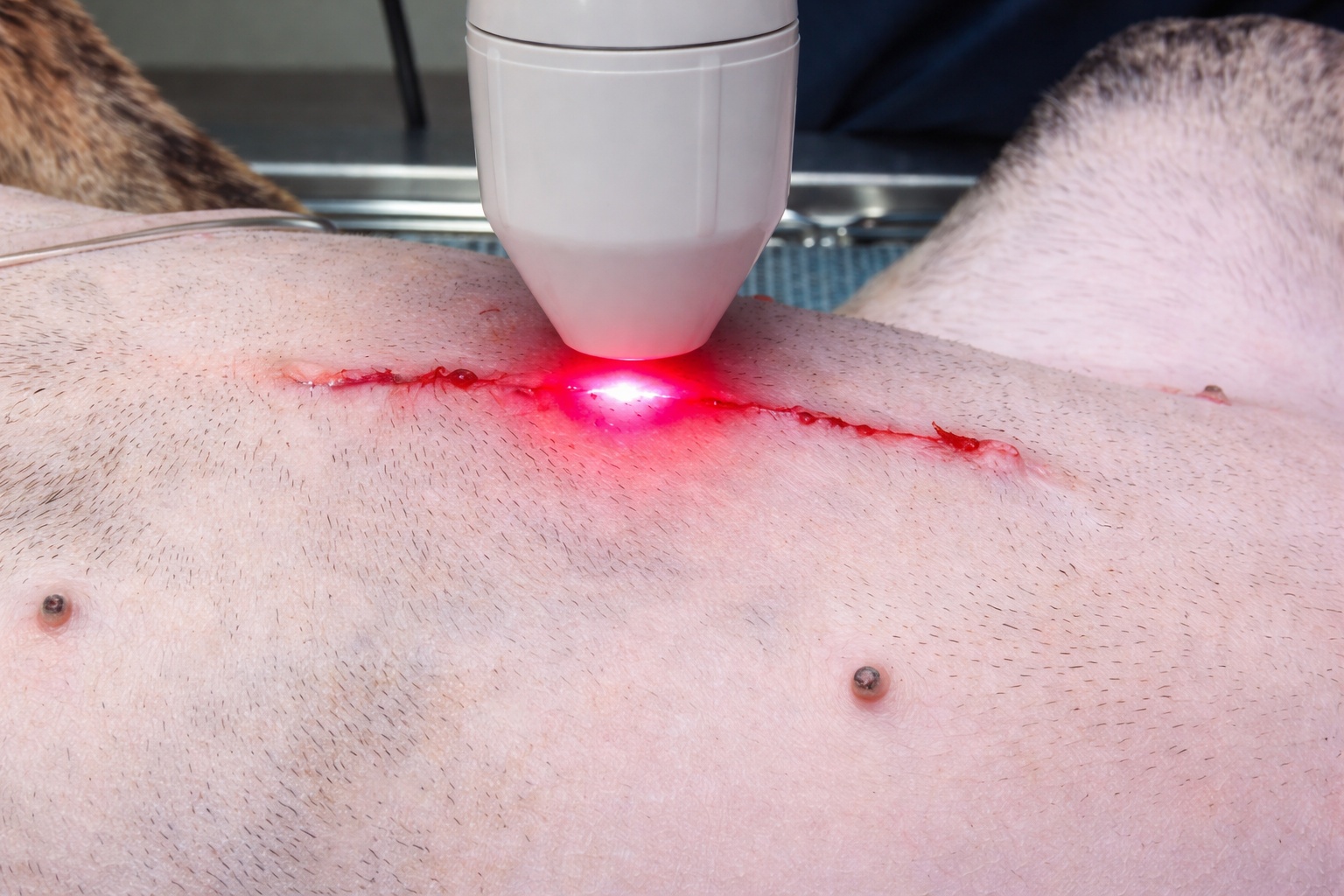
Potential Benefits of Laser Therapy for Post-Surgical Recovery
Comfort Support
Laser therapy may help support temporary relief from soreness, stiffness, and tenderness after surgery.
Recovery Routine
Many owners use it as part of a structured aftercare plan to support a more comfortable recovery period.
Movement Support
It may help support easier movement as dogs gradually return to normal daily activity.
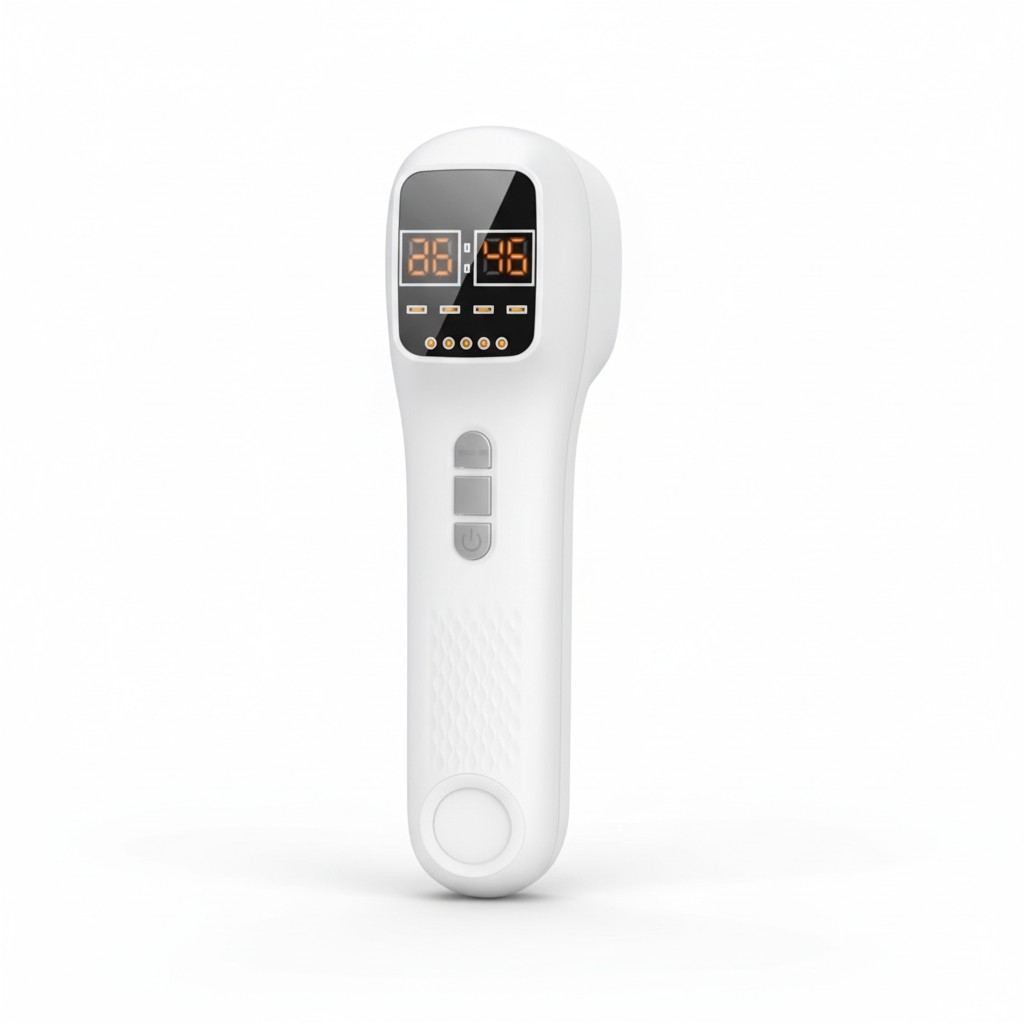
How to Use Laser Therapy for Dogs After Surgery
- Follow your veterinarian’s timing. Only begin once your vet says it is appropriate.
- Let your dog settle down. Choose a calm position where the recovery area is easy to access.
- Turn on the device. Set the timer and intensity according to your product instructions.
- Treat the target area gently. Use it over the affected area or nearby tissues as advised.
- Keep sessions consistent. Ongoing sessions are often used as part of a recovery support plan.
Do not use over the eyes. Avoid direct use on surgical sites unless your veterinarian has advised it is appropriate. Use protective glasses for the person operating the device.
Helpful Home Support Tips
Follow Rest Instructions
Restricting activity when advised can help protect the surgical result and avoid setbacks.
Use Controlled Movement
Short, careful walks may be introduced gradually when approved by your veterinarian.
Monitor the Recovery Area
Keep an eye on swelling, discharge, redness, or signs that your dog is becoming more uncomfortable.
When to Speak With a Veterinarian
Contact your veterinarian if your dog develops swelling that worsens, discharge, heat around the area, severe pain, fever, loss of appetite, sudden limping, or any major change in behavior. Post-surgical complications should be addressed promptly.
Frequently Asked Questions
Can laser therapy help dogs after surgery?
It is commonly used as a supportive option for dogs recovering from surgery, especially for comfort, stiffness, and mobility support as part of a broader care plan.
When can I start laser therapy after my dog’s surgery?
Timing depends on the type of surgery and your veterinarian’s instructions. Always follow your vet’s guidance before starting.
Can laser therapy be used directly on the surgical site?
That depends on the procedure and the healing stage. Use it only as advised by your veterinarian, especially near incisions.
How often should I use laser therapy during recovery?
Frequency can vary depending on the dog and the procedure. Many owners use it several times per week as part of a recovery routine.
Can laser therapy be used with other recovery treatments?
In many cases, yes. It is often used alongside rest, medication, wound care, rehabilitation, and other veterinarian-recommended recovery steps.
Support Your Dog’s Recovery at Home
Discover a simple and non-invasive way to support dogs recovering from surgery, soreness, stiffness, and reduced mobility.
Disclaimer: This content is for general informational purposes only and is not a substitute for professional veterinary advice, diagnosis, or treatment. Always consult your veterinarian before starting laser therapy or changing your dog’s care plan.
