

Laser Therapy for Hip Dysplasia in Dogs
Laser therapy is a gentle, non-invasive option that may help support comfort, flexibility, and day-to-day mobility in dogs with hip dysplasia. It is commonly used as part of a broader support plan for stiffness, soreness, and reduced movement.
What Is Hip Dysplasia in Dogs?
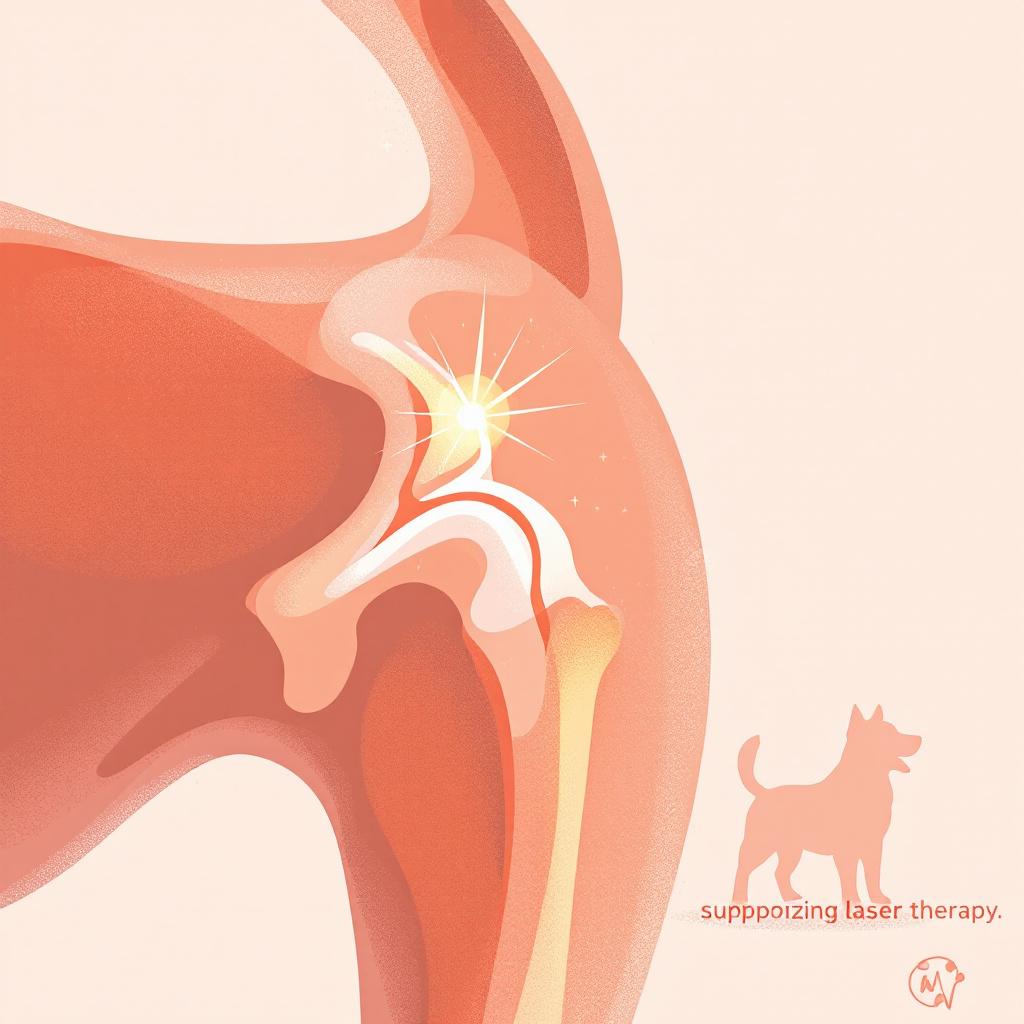
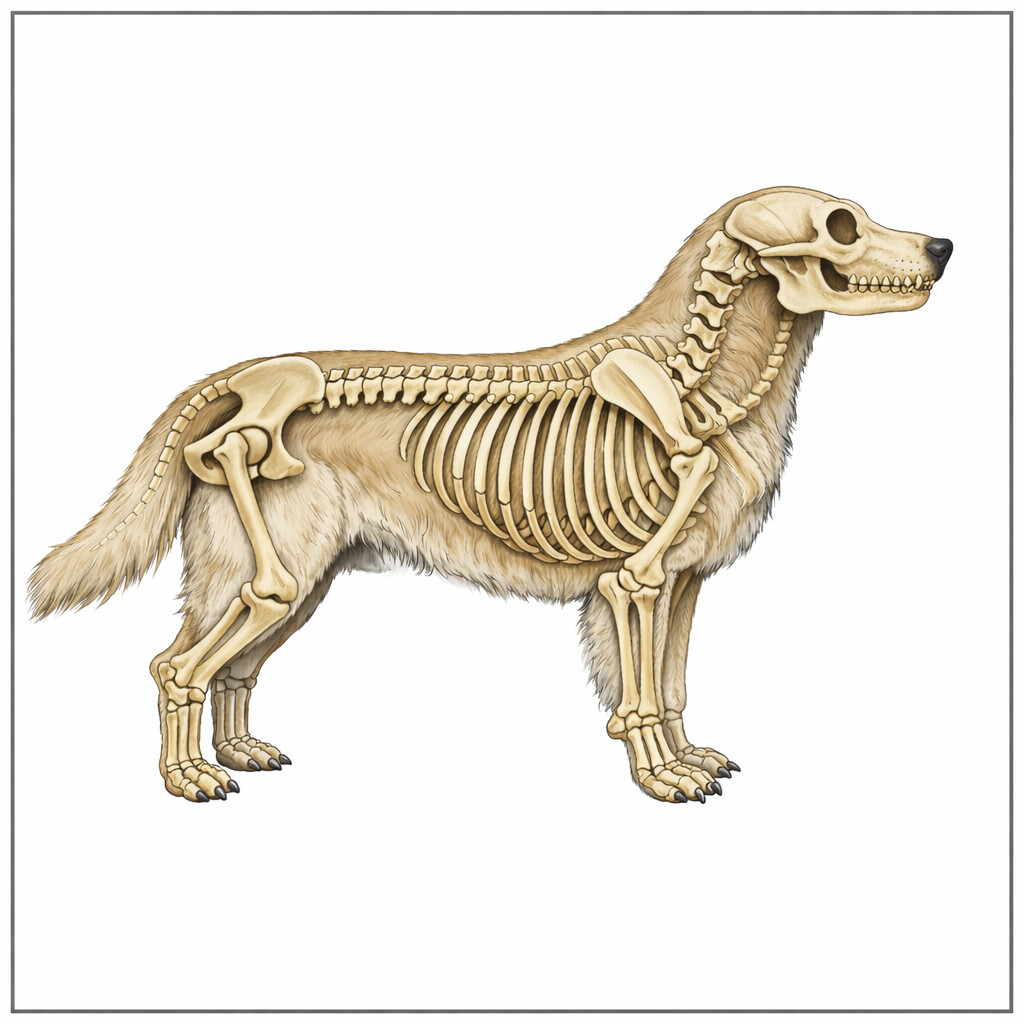
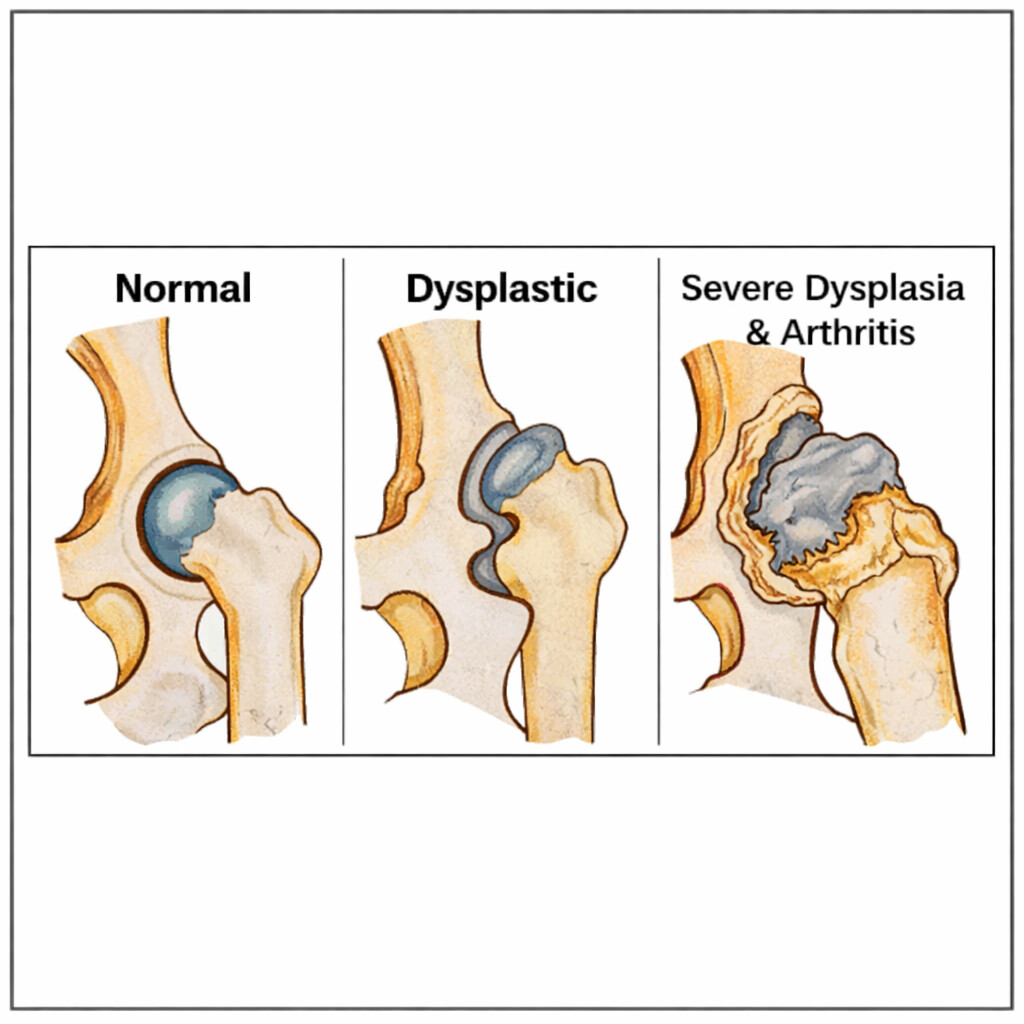
Hip dysplasia is a condition where the hip joint does not fit together as smoothly as it should. Over time, this can create extra wear, instability, inflammation, and discomfort in the joint.
It is often seen in medium and large breed dogs, but it can affect smaller dogs too. Some dogs show signs when they are young, while others only become noticeably stiff or sore later in life.

Common Signs
- Difficulty standing up after rest
- Stiffness in the back legs
- Reluctance to jump or climb stairs
- Bunny hopping when running
- Wobbling or swaying in the hind end
- Less interest in exercise or walks
Dogs More at Risk
- Large and giant breeds
- Dogs with a family history of hip issues
- Overweight dogs
- Very fast-growing young dogs
- Senior dogs with long-term joint wear
- Dogs with reduced muscle strength in the hind legs
How Laser Therapy Works for Hip Dysplasia
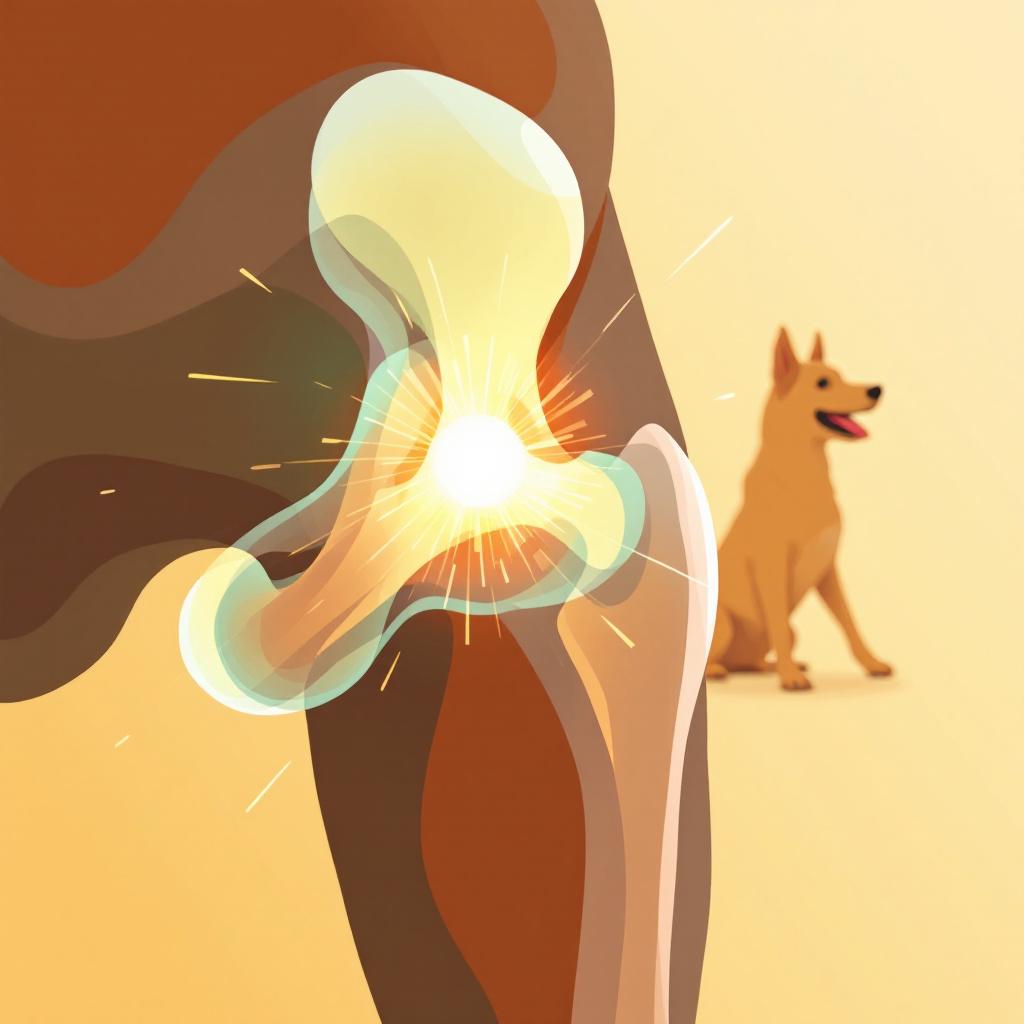
Laser therapy delivers therapeutic light to the target area around the hip joint and surrounding muscles. It is commonly used in rehabilitation and supportive care to help encourage circulation and a healthy tissue response.
- Targets the hip area and surrounding tissues
- Often used over tight or overworked muscles near the joint
- May help support comfort and easier movement
- Can be used as part of a home support routine
Potential Benefits of Laser Therapy for Hip Dysplasia
Hip Comfort
Laser therapy may help support temporary relief from stiffness and soreness around the hip joint.
Movement Support
Many owners use it to help support easier walking, standing, and general daily movement.
Easy to Include
At-home sessions can be simple to include alongside controlled exercise and veterinary guidance.

How to Use Laser Therapy for a Dog With Hip Dysplasia
- Let your dog settle down. Choose a calm position where the hip area is easy to reach.
- Turn on the device. Set the timer and intensity according to your product instructions.
- Place over the target area. Hold it gently over the hip joint and surrounding muscle area.
- Keep the session consistent. Slow, steady treatment is usually best.
- Repeat regularly. Ongoing sessions are often used as part of a support routine.
Avoid the eyes and use protective glasses for the person operating the device.
Helpful Home Support Tips
Maintain a Healthy Weight
Extra weight can place more pressure on the hip joints and increase strain during movement.
Use Controlled Exercise
Short, steady walks and low-impact activity are often better than sudden intense exercise.
Support the Hind End
Non-slip floors, ramps, and supportive bedding can make daily movement easier and safer.
When to Speak With a Veterinarian
Speak with your veterinarian if your dog shows severe pain, sudden worsening of movement, dragging of the back legs, major limping, swelling, or a rapid decline in activity. A proper diagnosis is important before starting any new support routine.
Frequently Asked Questions
Can laser therapy cure hip dysplasia in dogs?
Hip dysplasia is generally a long-term condition. Laser therapy is not usually considered a cure, but it may help support comfort and mobility.
Is laser therapy good for dogs with hip pain?
It is commonly used as a supportive option for dogs with hip stiffness and soreness, especially as part of a broader care plan.
How often should I use laser therapy for hip dysplasia?
Frequency can vary depending on the dog and the severity of the issue. Many owners use it several times per week as part of a routine.
Where should I place the laser device for hip dysplasia?
It is usually placed over the hip joint area and surrounding muscles. Avoid the eyes and follow the product instructions carefully.
Can laser therapy be used with other treatments?
In many cases, yes. It is often used alongside weight control, physical rehabilitation, controlled exercise, and other veterinarian-recommended care.
Support Your Dog’s Hip Comfort at Home
Discover a simple and non-invasive way to support dogs dealing with hip dysplasia, stiffness, and reduced mobility.
Disclaimer: This content is for general informational purposes only and is not a substitute for professional veterinary advice, diagnosis, or treatment. Always consult your veterinarian before starting laser therapy or changing your dog’s care plan.
