

Laser Therapy for Lick Granuloma in Dogs
Laser therapy is a gentle, non-invasive option that may help support comfort, skin recovery, and tissue healing in dogs with lick granuloma. It is commonly used as part of a broader care plan for irritated skin, repeated licking, soreness, and slow-healing affected areas.
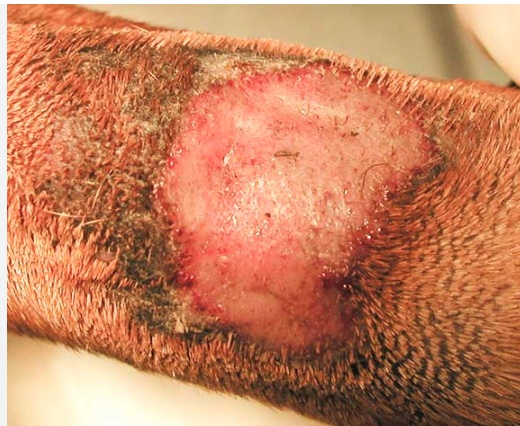
What Is Lick Granuloma in Dogs?
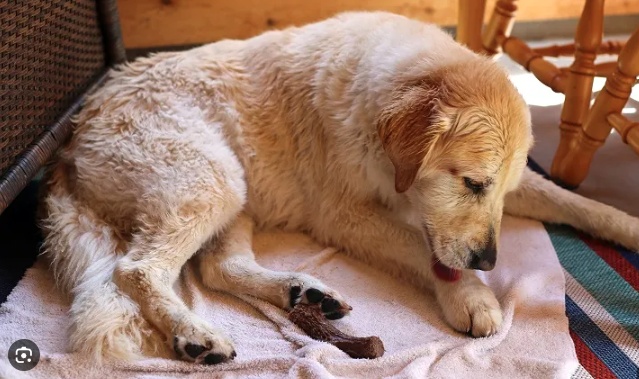
Lick granuloma, also called acral lick dermatitis, is a skin condition caused by repeated licking of the same area. Over time, the skin can become thickened, inflamed, irritated, sore, and difficult to heal.
It often appears on the legs or paws and may be linked to allergies, boredom, anxiety, irritation, pain, or an underlying skin problem. Because the dog keeps licking the same spot, healing can be slow without the right support plan.
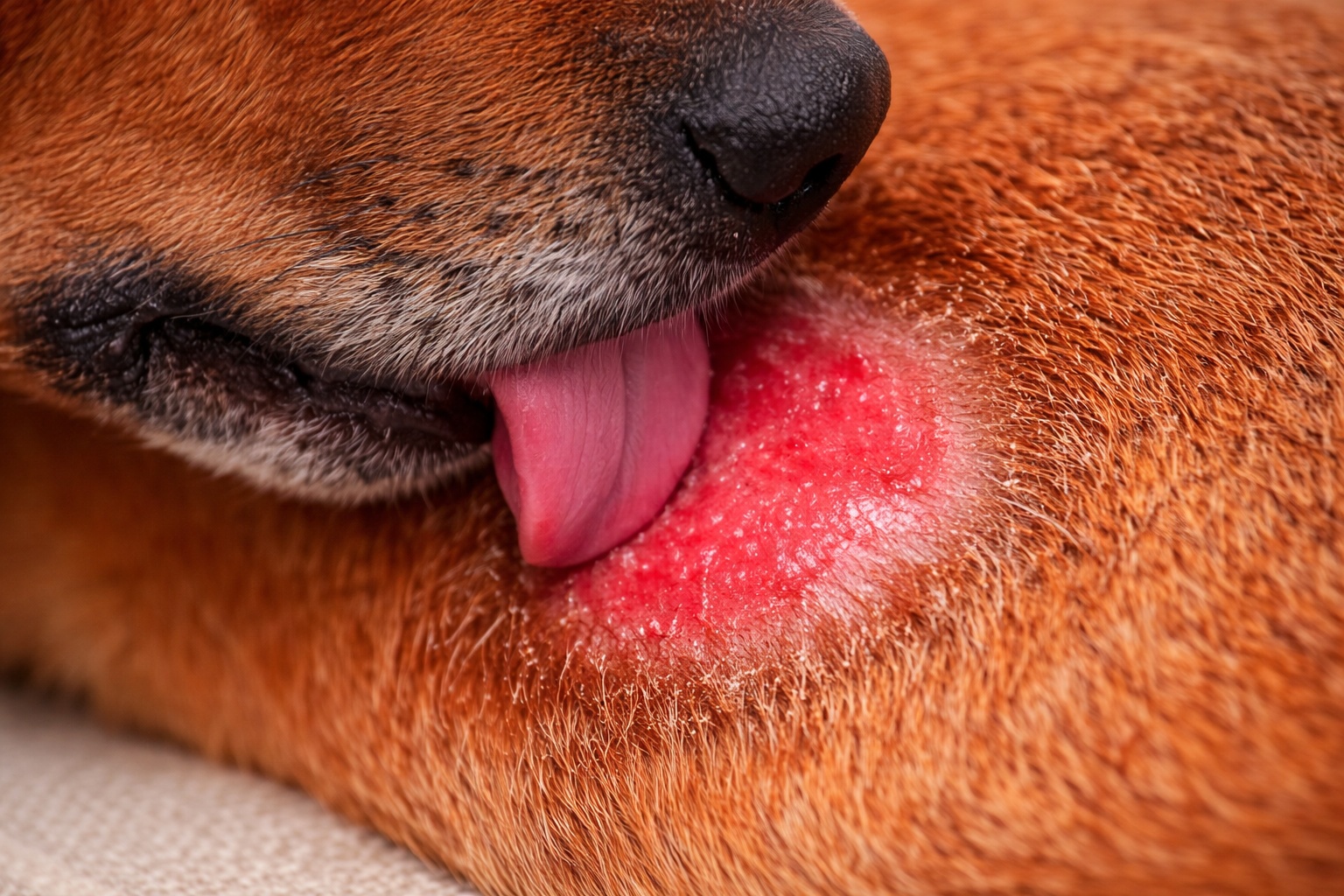
Common Signs
- Repeated licking of one spot
- Thickened or inflamed skin
- Red, irritated, or hairless patches
- Slow healing of the affected area
- Moist or sore skin from over-licking
- Return of the problem after brief improvement
Possible Causes
- Allergies or skin irritation
- Boredom or stress-related licking
- Pain in the limb or joint
- Minor wounds or insect bites
- Underlying skin infection
- Habitual repetitive behavior
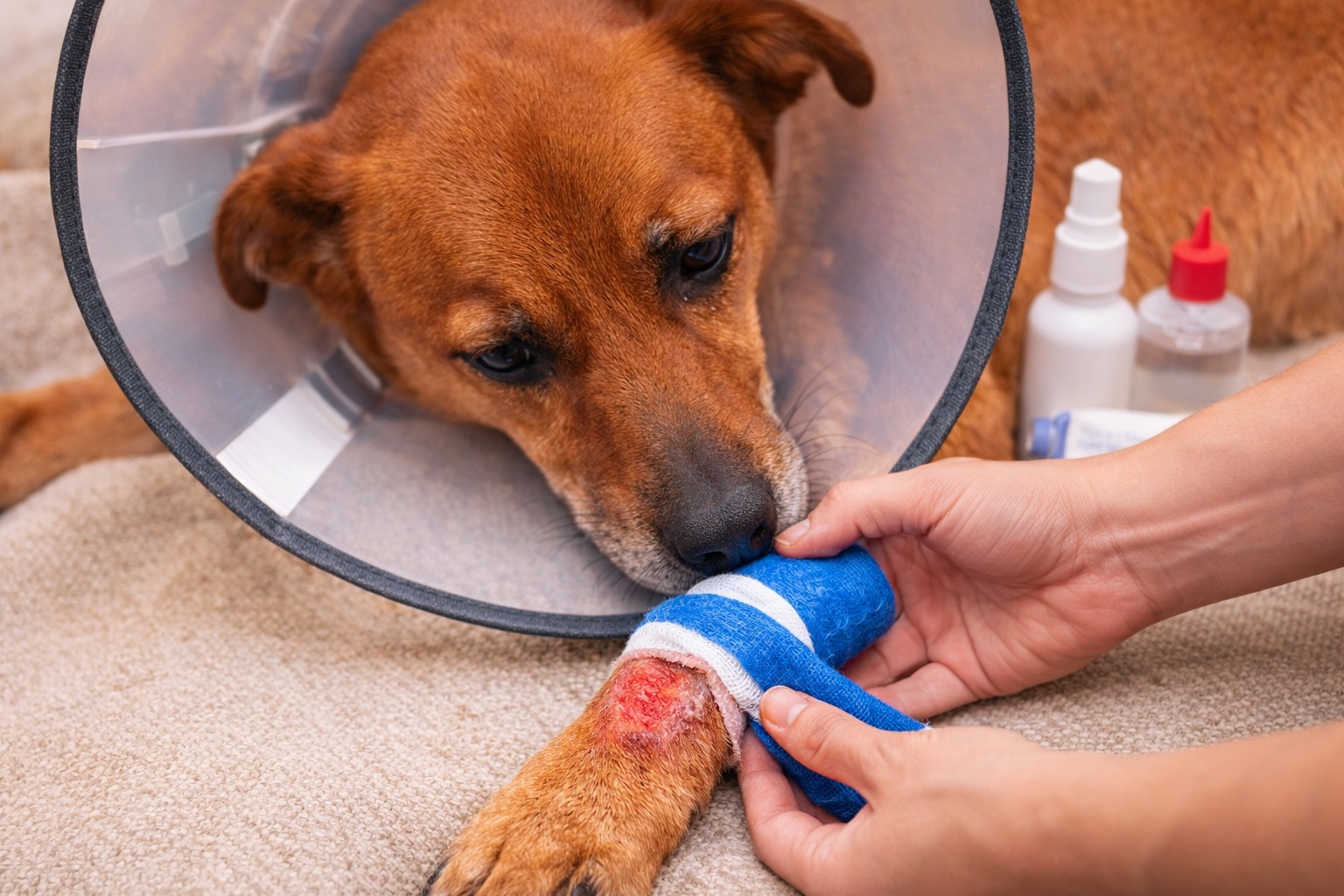
How Laser Therapy Works for Lick Granuloma
Laser therapy delivers therapeutic light to the affected area and surrounding tissue. It is commonly used in supportive care to help encourage circulation and a healthy tissue response in irritated or slow-healing skin.
- Targets irritated skin and nearby tissue
- Often used to support comfort and skin recovery
- May help support a healthier healing routine
- Can fit into a veterinarian-guided skin care plan
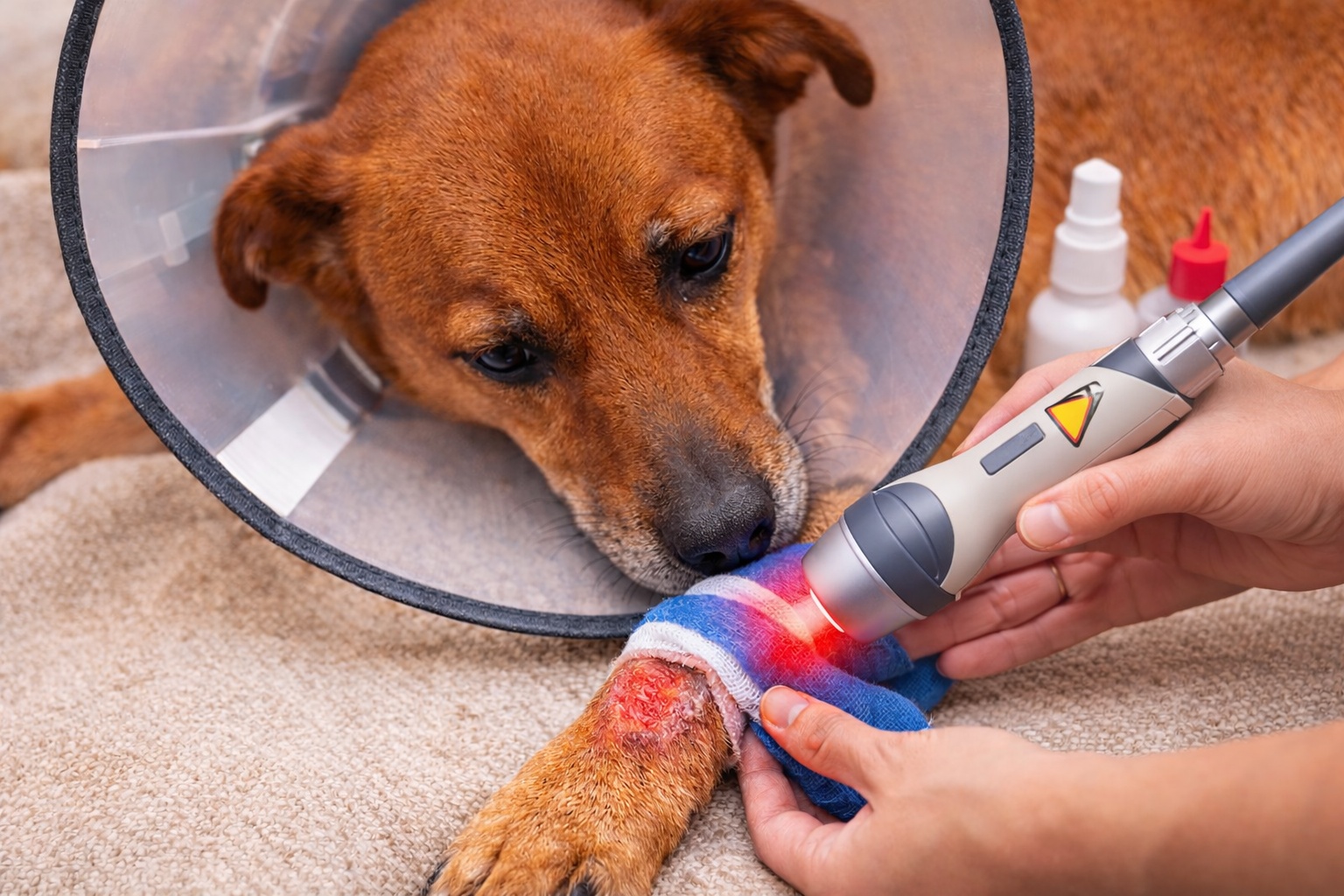
Potential Benefits of Laser Therapy for Lick Granuloma
Skin Comfort
Laser therapy may help support temporary relief from irritation, soreness, and tissue sensitivity.
Healing Support
Many owners use it as part of a structured skin recovery plan to support healthier tissue repair.
Easy to Include
At-home sessions can be simple to include alongside protective collars, skin care, and veterinary guidance.
How to Use Laser Therapy for Lick Granuloma
- Have the area assessed first. Make sure the affected skin has been checked by a veterinarian.
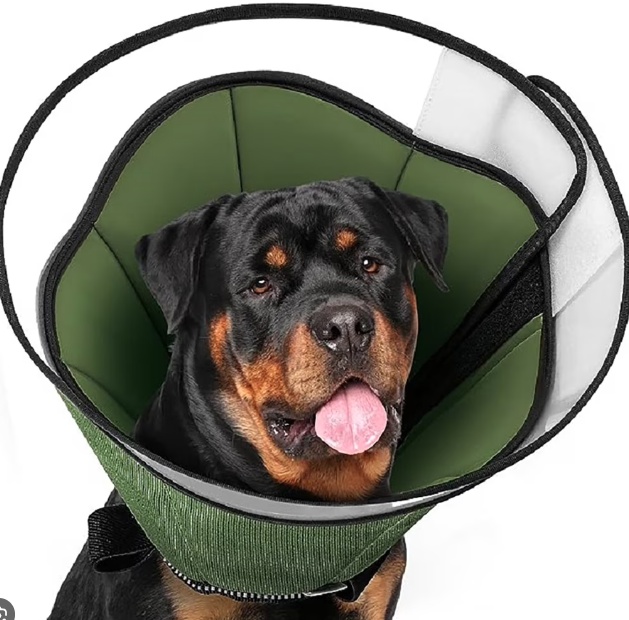
- Reduce licking if possible. Use a protective collar or other method if advised.
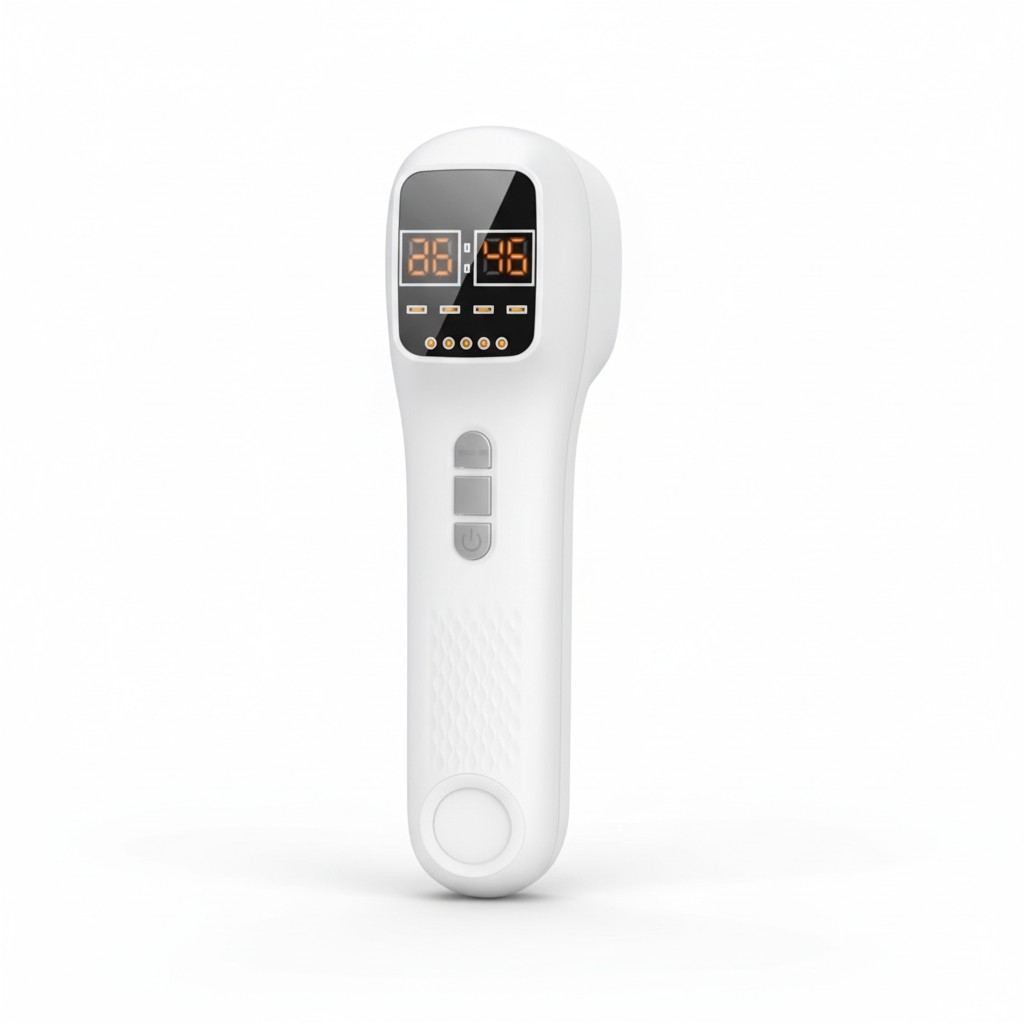
- Turn on the device. Set the timer and intensity according to your product instructions.
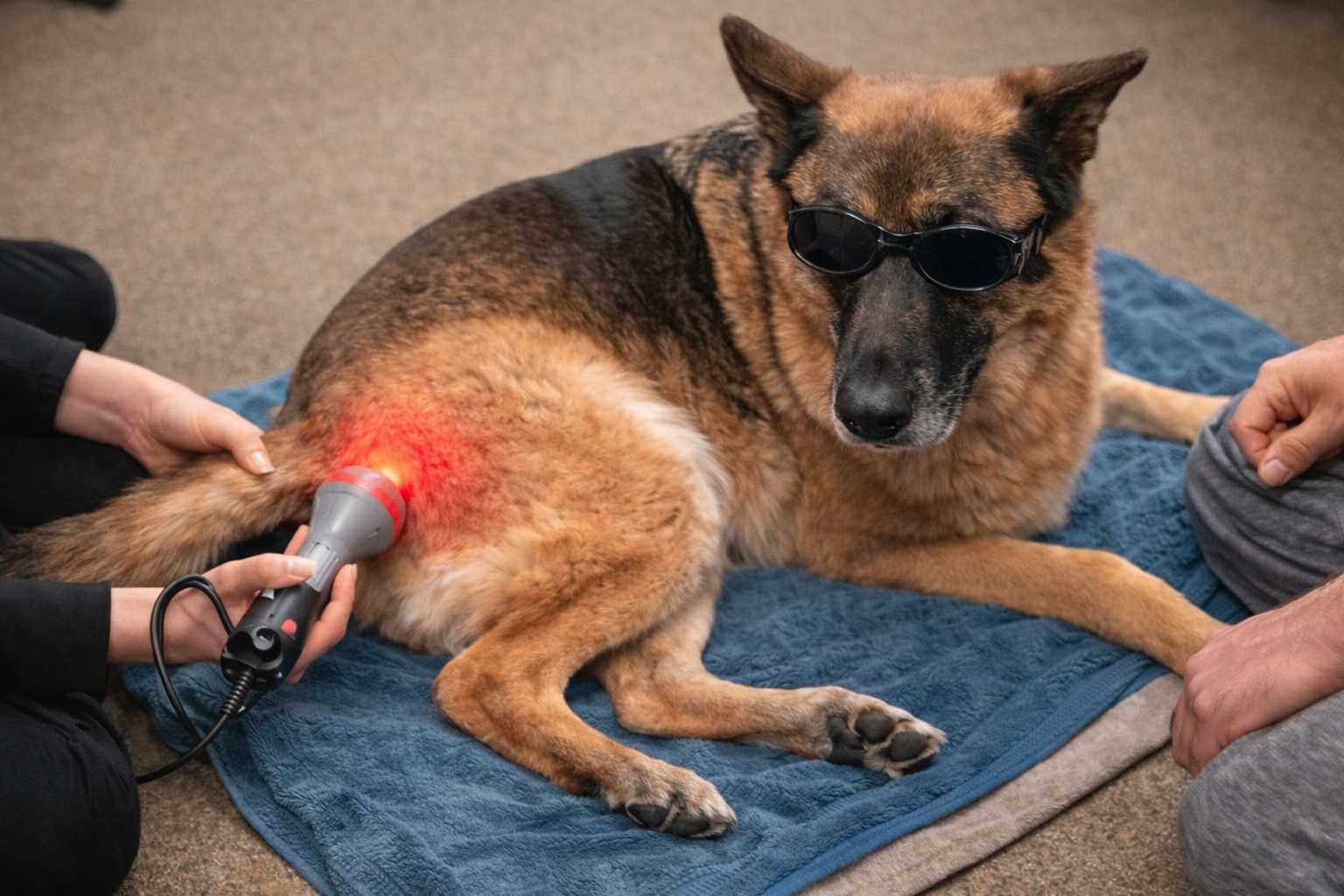
- Treat the area gently. Use it over or near the affected skin only as advised.
- Keep sessions consistent. Ongoing sessions are often used as part of a skin support routine.
Do not use over the eyes. Do not use on raw, infected, or open skin unless your veterinarian has advised it is appropriate. Use protective glasses for the person operating the device.
Helpful Home Support Tips
Stop the Licking Cycle
Protecting the area is often necessary so the skin has a chance to recover.
Address the Trigger
Allergies, boredom, anxiety, pain, or irritation may all contribute to the problem.
Keep the Skin Monitored
Watch for redness, discharge, swelling, odor, or worsening irritation and contact your vet if needed.
When to Speak With a Veterinarian
Contact your veterinarian if the area is open, infected, swollen, bleeding, smells bad, is getting larger, or keeps returning. Also seek veterinary advice if your dog seems very uncomfortable or is obsessively licking despite home care.
Frequently Asked Questions
Can laser therapy help lick granuloma in dogs?
It is commonly used as a supportive option for dogs with lick granuloma, especially for comfort, skin support, and recovery as part of a broader care plan.
Will laser therapy stop my dog from licking?
Not by itself. The underlying cause of licking usually needs to be addressed, and the area may need protection as well.
How often should I use laser therapy for lick granuloma?
Frequency can vary depending on the dog and the affected area. Many owners use it several times per week as part of a support routine.
Can laser therapy be used with other skin treatments?
In many cases, yes. It is often used alongside protective collars, topical care, medication, and other veterinarian-recommended skin treatment steps.
When should I avoid home treatment alone?
Avoid relying only on home treatment if the area is infected, open, bleeding, worsening, or keeps coming back. These situations need veterinary attention.
Support Your Dog’s Skin Recovery at Home
Discover a simple and non-invasive way to support dogs dealing with lick granuloma, irritated skin, repeated licking, and reduced comfort.
Disclaimer: This content is for general informational purposes only and is not a substitute for professional veterinary advice, diagnosis, or treatment. Always consult your veterinarian before starting laser therapy or changing your dog’s care plan.
